
At a Glance:
| Grades: | 6, 7, 8 |
|---|---|
| Subject: | ELA (English Language Arts) |
| Topic: | Informational Text, Determining Central Ideas in Science |
| Lesson Length: | 30 - 45 mins |
Standards / Framework:
What will students learn in this activity?
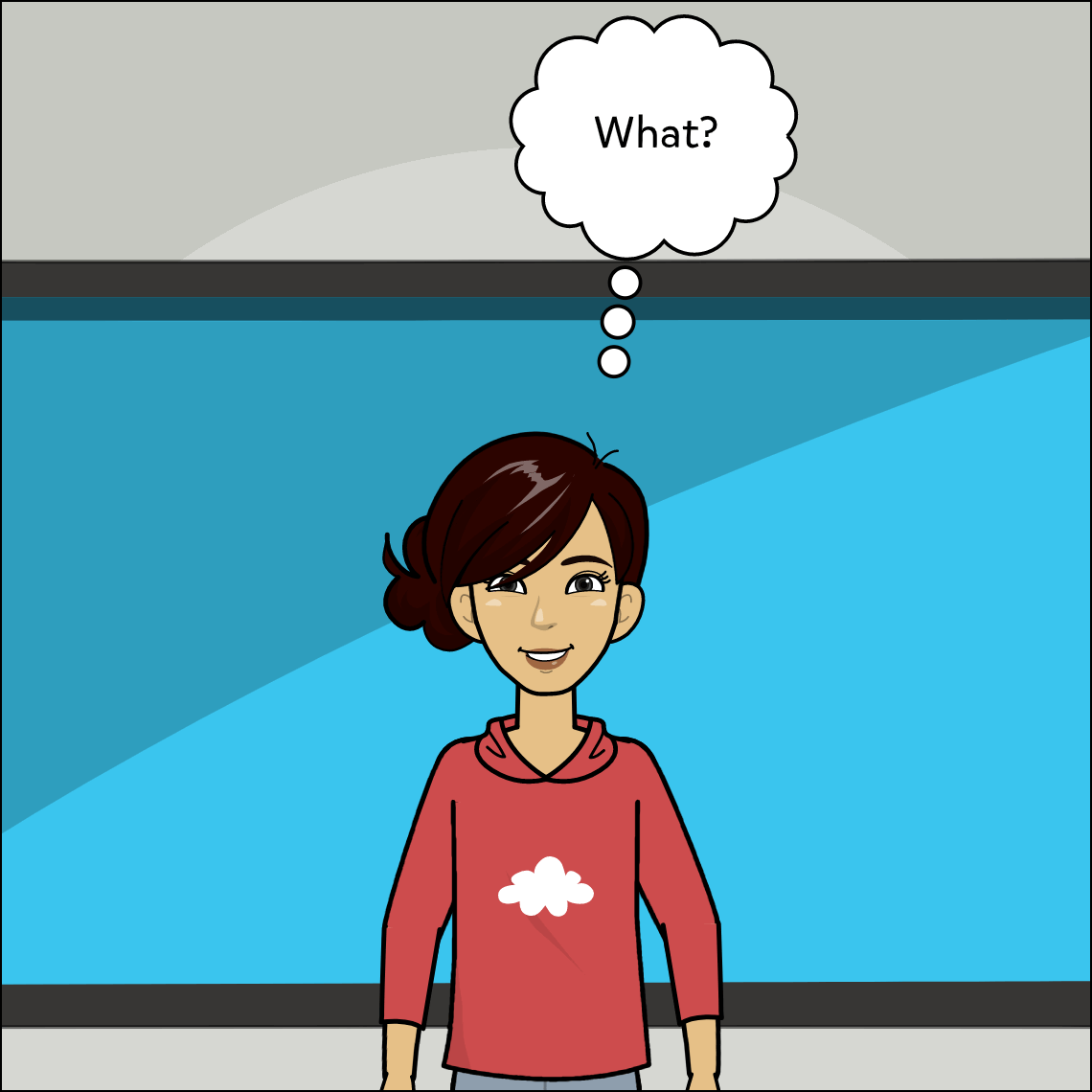
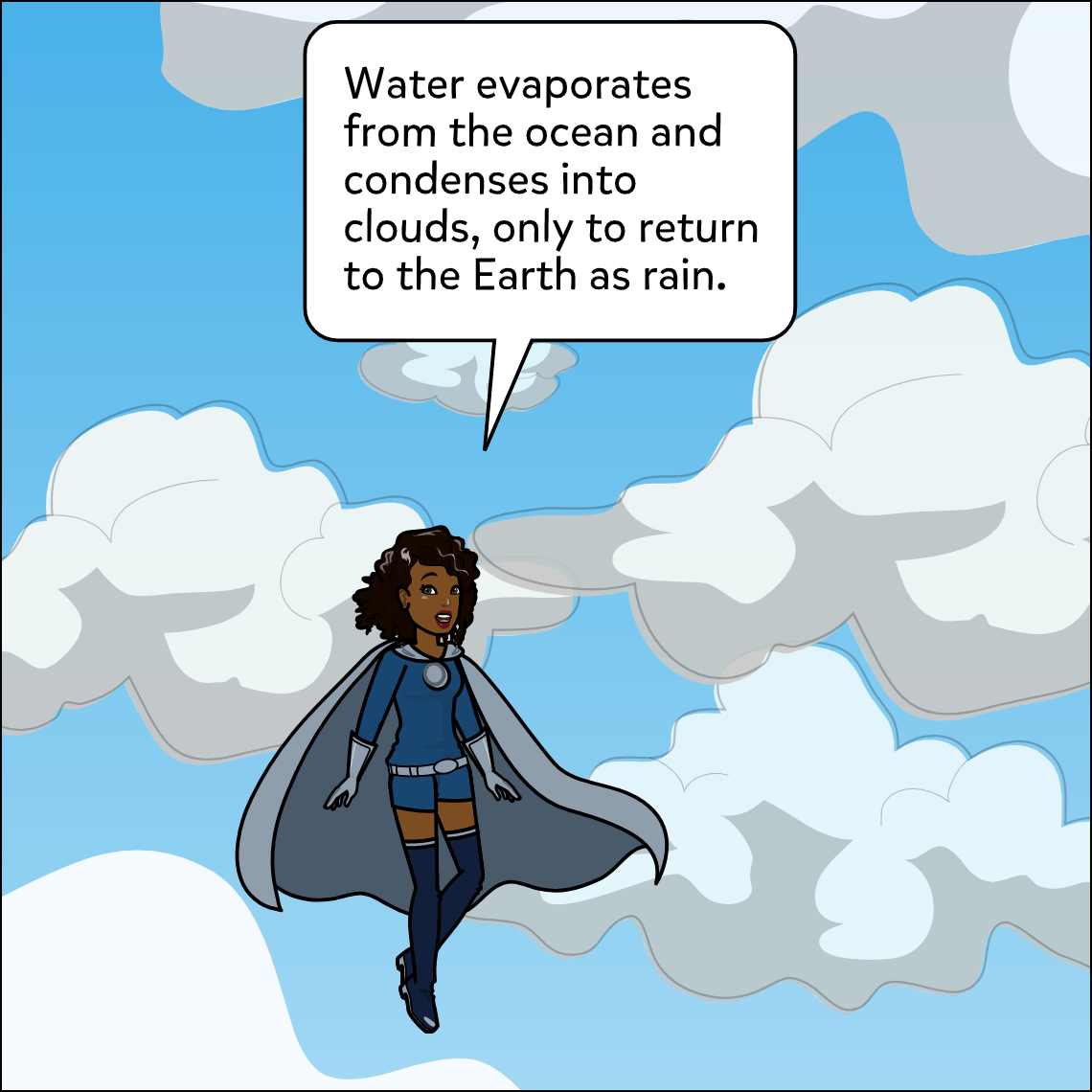
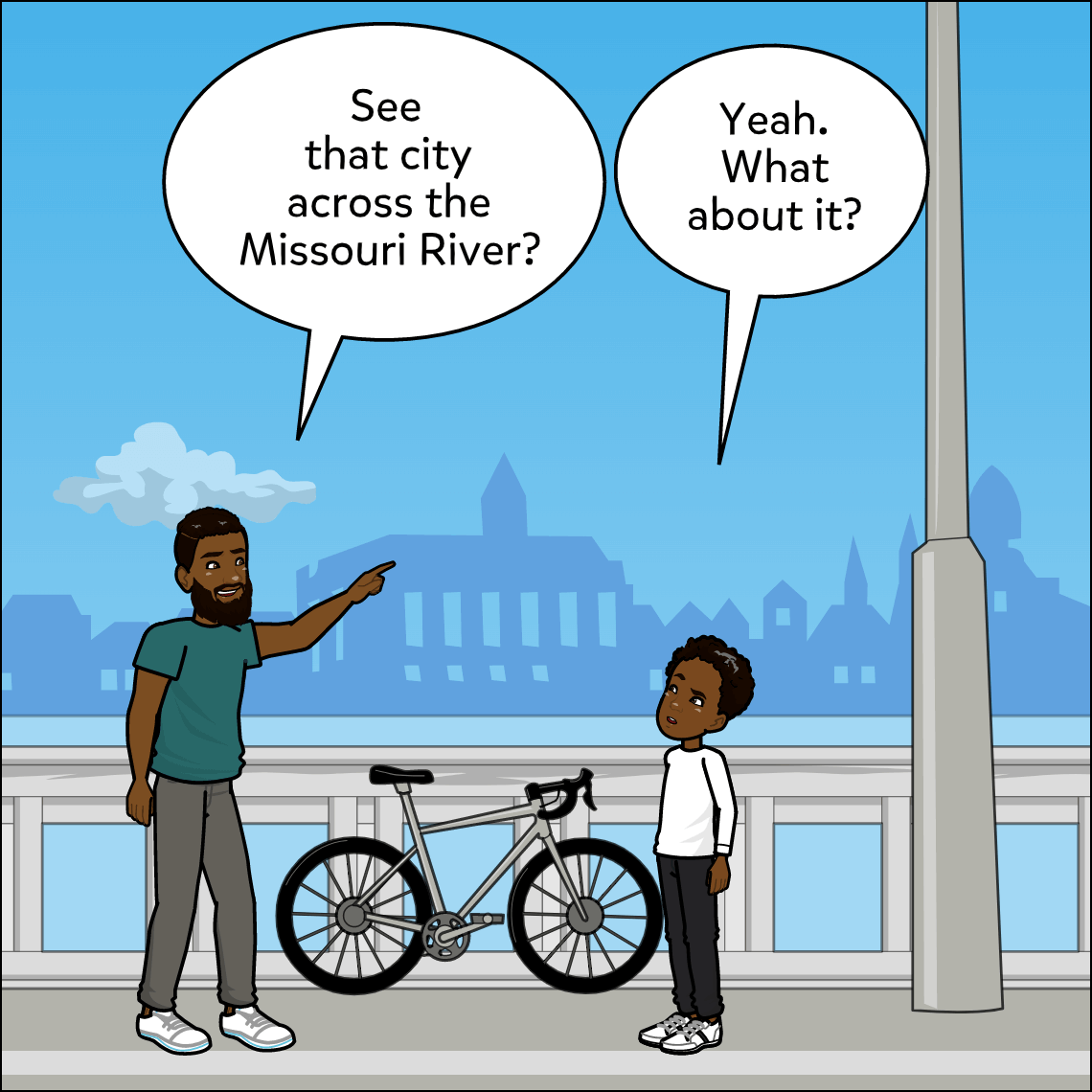
Students will use the "See, Think, Wonder" strategy to help them better understand scientific information or text. They’ll demonstrate their understanding in a comic.
What should students know before this activity?
This lesson uses the thinking protocol "See, Think, Wonder." Students will read a text (or observe an image) and pose questions about the content. You’ll need to provide a selected scientific text, diagram, chart or image.
How can teachers introduce this lesson?
- Introduce a selected text, diagram, chart or image.
- Display the sample comic.
- Model how to analyze the material presented by using the "See, Think, Wonder" strategy.
- See: Discuss the key ideas students see within the text.
- Think: Discuss the ideas and thoughts generated by the content.
- Wonder: Ask students what questions they have or things they wonder about now that they have read the content.
What will students do?
- Provide students with another science-related text, diagram, chart or image on the same topic.
- After independently reading and/or observing the provided content, have students create a three-panel comic to demonstrate their understanding using the "See, Think, Wonder" strategy.
How can teachers wrap up the lesson?
- Allow students an opportunity to share their comics with the class or in groups.
- Discuss how using the "See, Think, Wonder" strategy can be used with all types of materials to better understand the content.
How can teachers differentiate this activity?
- Adjust selected text based on a student’s reading level.
- Provide sentence frames "I see____." "I think ____." "I wonder ____."
- Allow students to use the speech-to-text feature.
- Allow students to work in pairs or groups as needed.
- Allow students to use the voiceover feature to read their comics aloud.
 Laboratory
 Energy
 Cell Biology
 Rock Cycle
 Organ System
 Skeletal System