At a Glance:
| Grades: | 6, 7, 8 |
|---|---|
| Subject: | ELA (English Language Arts) |
| Topic: | Comprehension of Nonfiction Text |
| Lesson Length: | 30 - 45 mins |
Standards / Framework:
What will students learn in this activity?
In this lesson students will learn to better comprehend and check their understanding of nonfiction text by asking reflective questions.
What should students know before this activity?
This lesson uses the reflective thinking strategy "What? So What? Now What?" Students will use the questions to guide their analysis of a historical or social studies text. Two preselected social studies texts will be needed.
How can teachers introduce this lesson?
- Introduce a selected text on a social studies topic.
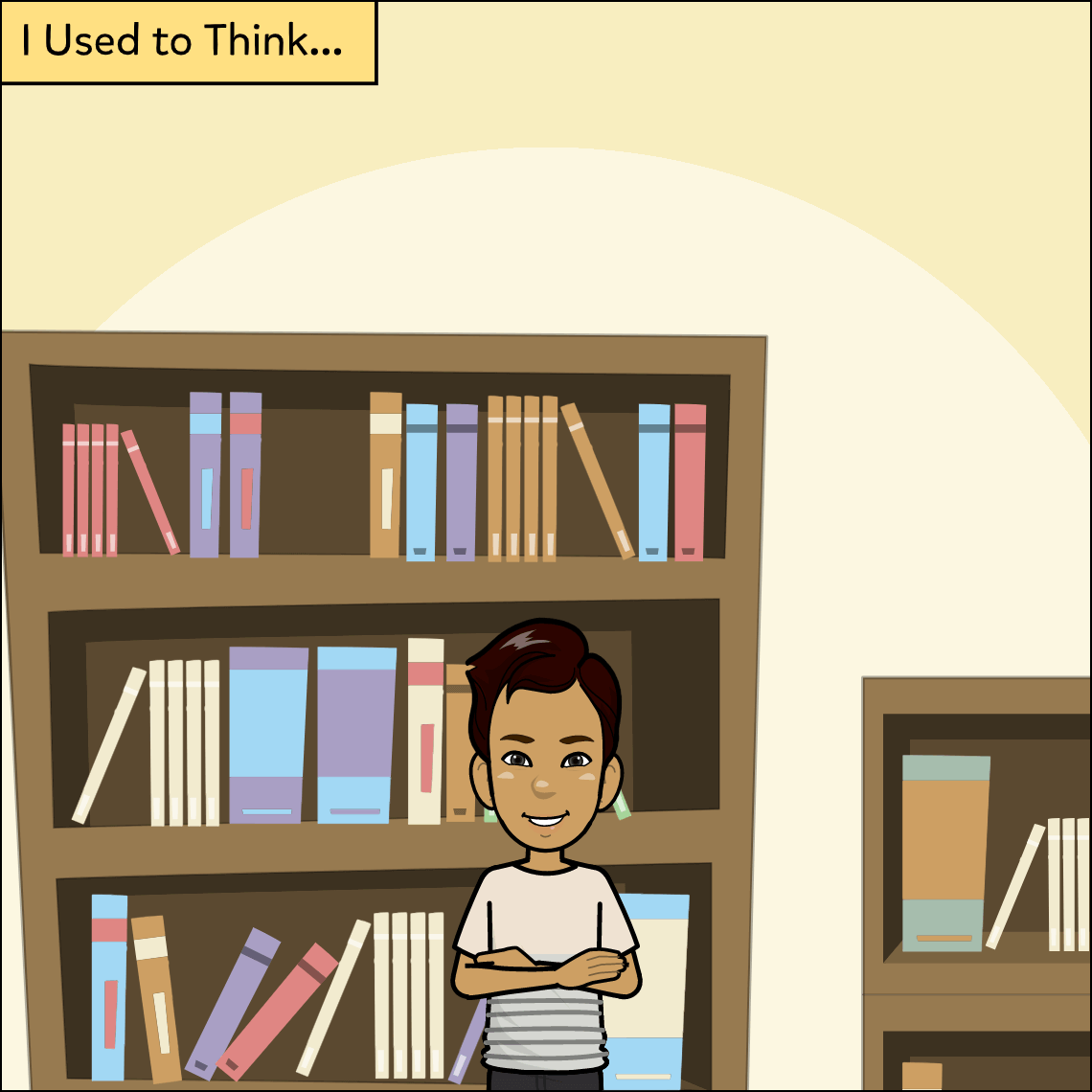
- Display the sample comic.
- Model how to reflect on the content by asking the questions:
- What?
- So what?
- Now what?
- What? Prior to reading, students can make predictions about what they anticipate learning through the text.
- So what? Read the text together and discuss new information learned and personal connections with the text.
- Now what? Reflect after reading the selected text and consider how the information applies to the world today or additional questions posed in the text.
- Explain that using these reflective questions helps to better understand the facts of the text, our connections with it, and how to apply the information.
What will students do?
- Provide students with another social studies article or selected text related to the same topic.
- Have students independently read the text using the "What? So what? Now what?" strategy.
- Using the sample comic as a guide, have students create a three-panel "What? So what? Now what?" comic to demonstrate their understanding.
How can teachers wrap up the lesson?
- Allow students to share their comics with the class or in groups.
- Discuss how using the "What? So What? Now What?" strategy can be used with all types of texts to better understand the content.
How can teachers differentiate this activity?
- Allow students to use the speech-to-text feature.
- Allow students to work in pairs or groups as needed.
- Adjust the selected text based on a student’s reading level.
- Provide an audio recording of selected text.
- Allow students to use a graphic organizer.
- Allow students to use the voiceover feature to read their comics aloud.
Related Resources:
- Comic to print or display
- T-Chart
- Main Idea Web
- Concept Map
- First, Next, Then, Last
- Social studies article or texts
Related Content:
 Reconciliation
 Explorer
 Juneteenth
 Cold War
 American Civil War
 Underground Railroad