At a Glance:
| Grades: | 6, 7, 8 |
|---|---|
| Subject: | ESL/ELL (English Language Learning) |
| Topic: | Narration, Expression |
| Lesson Length: | 45 mins - 1 hour |
Standards / Framework:
What will students learn in this activity?
Students will share ideas about their own and others’ lived experiences and previous learning.
What should students know before this activity?
Students should be familiar with what it means to narrate or explain an experience.
How can teachers introduce this lesson?
- Ask students:
- “What can we learn about a person when they share a story about themselves?”
- “How can you choose an interesting story to share?”
- “Why should we listen to stories other people tell?”
What will students do?
- Have students think of a significant event in their lives that they are willing to share in small groups.
- Have students create a person or a character with similar characteristics as themselves.
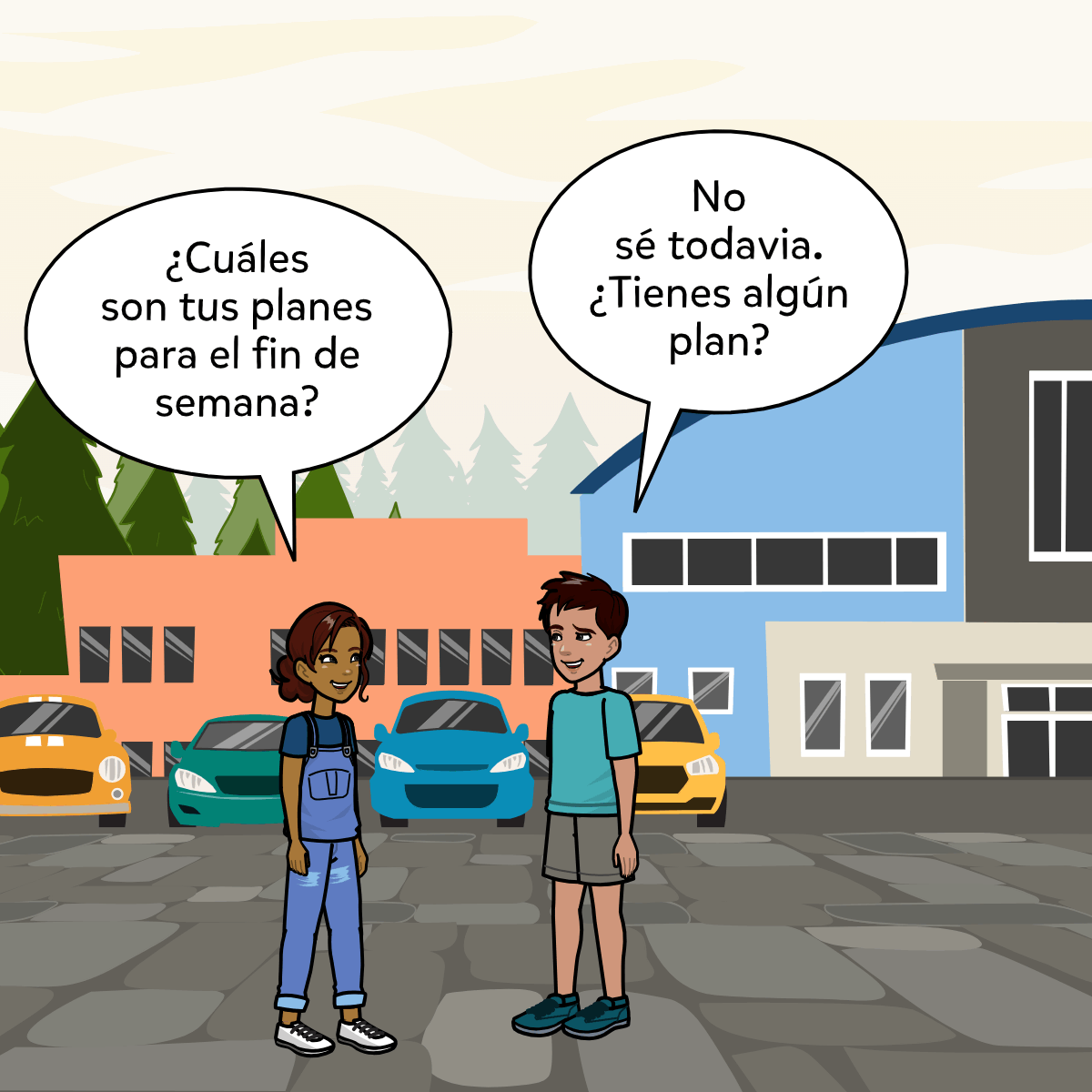
- Using the sample comic as a guide, have students create a comic displaying their character having an experience that reflects something that really happened.
How can teachers wrap up the lesson?
- Have students share their comics with the class or in small groups.
- Have students explain how they may learn about similarities they have with other class members who have had similar experiences.
- Emphasize that learning about other people’s experiences helps to get to know them better and make connections.
- If time permits, have students respond to each other’s narratives by asking questions about details in the story or by sharing their own similar experiences.
How can teachers differentiate this activity?
- Allow students to use the speech-to-text feature.
- Allow students to work in pairs or groups as needed.
- Allow students to use the voiceover feature to read their comics aloud.
- Allow students to define what a significant experience is for themselves, and to decide which details they are comfortable sharing.
- Allow students to use digital dictionaries/translators as appropriate for your class policy.
- Help students use first-person and third-person forms of verbs as appropriate.
Related Resources:
 Middle School
 Beach
 Sports
 Home
 Farm
 Mall
Suggested Story Starters: