
At a Glance:
| Grades: | 4 |
|---|---|
| Subject: | ELA (English Language Arts) |
| Topic: | Making connections between written text and a visual presentation of a story |
| Lesson Length: | 45 mins - 1 hour |
Standards / Framework:
What will students learn in this activity?
Students will make connections between fictional texts by creating a visual presentation.
What should students know before this activity?
This is a great way to check for understanding of a story or drama. Select a current piece of fictional text being read in class to use for this activity.
How can teachers introduce this lesson?
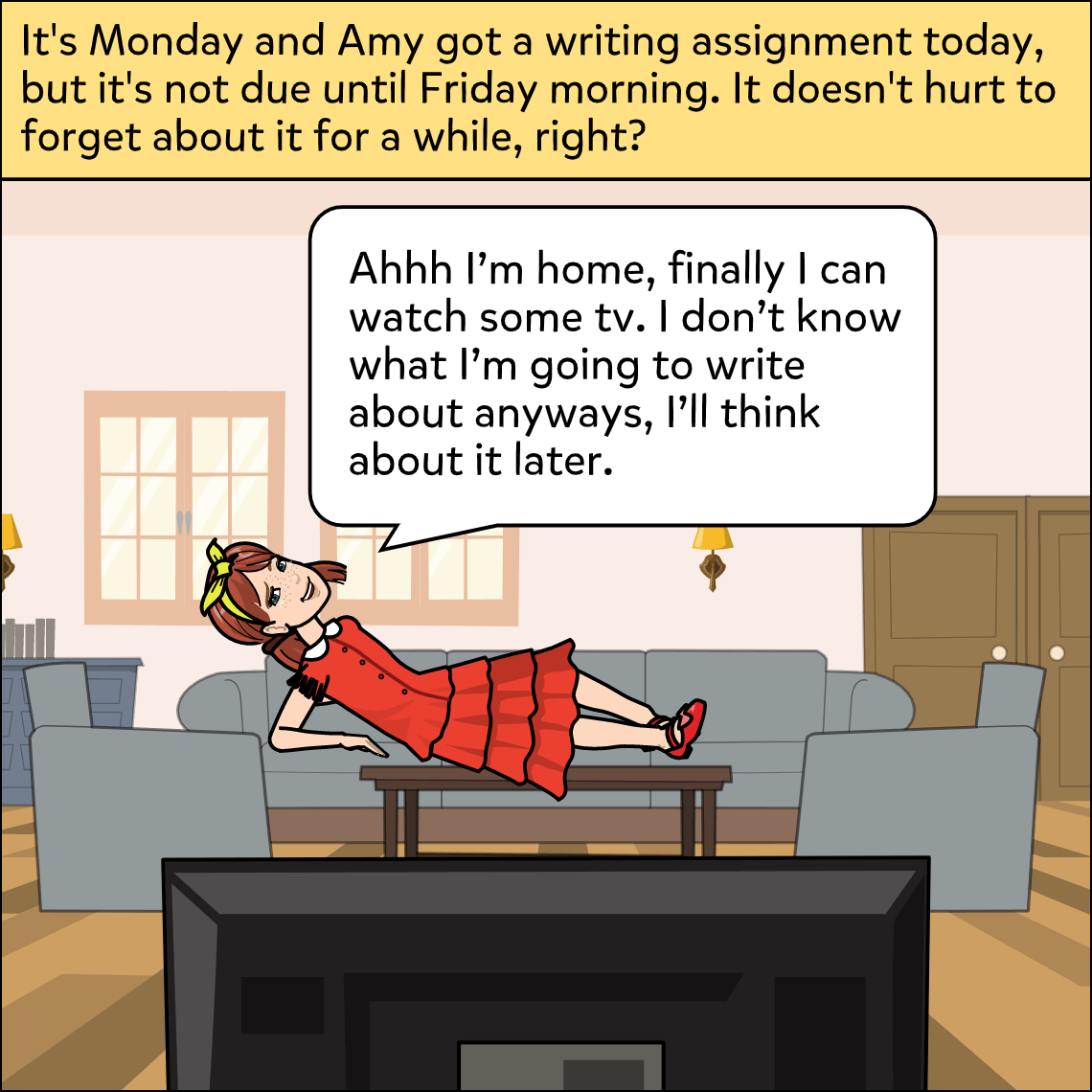
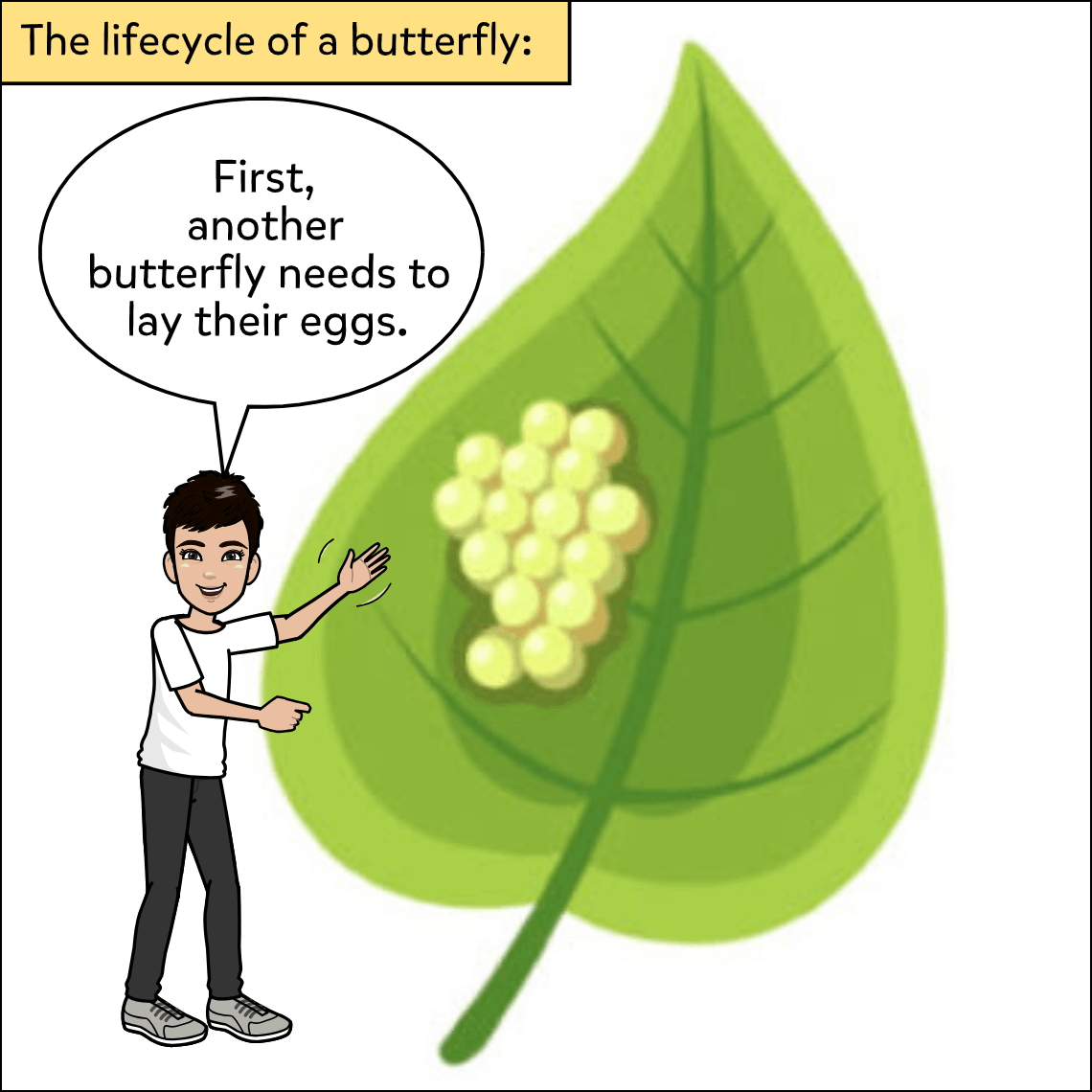
- Read and discuss the example comic.
- How does the comic depict key elements of this familiar story?
- What characters or details from the story are not illustrated in the comic?
- Ask students if they’ve ever watched a movie of a book they’ve read.
- Did they like the movie or book better? Why?
- Discuss with students how visual presentations of a story or drama can help readers better understand the events and characters within the fictional text.
What will students do?
-
Have students think about the characters and main events in the current fictional text being read in class.
-
Ask students to create a comic of at least three panels that demonstrates the students’ understanding of the specific descriptions and key events in the fictional text.
How can teachers wrap up the lesson?
-
Share your students' comics in a slideshow or Gallery Walk.
-
Ask students to discuss how each comic demonstrates a specific representation of the events, characters, and meaning of the text.
How can teachers differentiate this activity?
-
Allow students to work with a peer model.
-
Provide sentence frames for students during closure discussion.
- Allow students to use the voiceover feature to read their comics aloud.
-
Enrichment Activity: Have students write a detailed description of how their representation demonstrates events, characters, or meaning of the text.
Related Content:
 Holes
 Esperanza Rising
 Bud Not Buddy
 The Birchbark House
 M.C. Higgins The Great
 The Little Prince