At a Glance
| Grades: | 6 |
|---|---|
| Subject: | History; Social Studies |
| Topic: | Transition to Agriculture |
| Learning Objective: | Compare Paleolithic and Neolithic daily life using period-specific details. |
| Student Work Product: | Pixton comic comparing Paleolithic and Neolithic life |
| Lesson Length: | 35 - 40 mins |
Standards / Framework:
Brief Description
What will students learn in this activity?
Students will understand the impact agriculture had on culture and daily life of peoples living during the Neolithic Era.
Know Before You Start
What should students know before this activity?
Students should have an understanding of the daily life of peoples living during the Paleolithic Era.
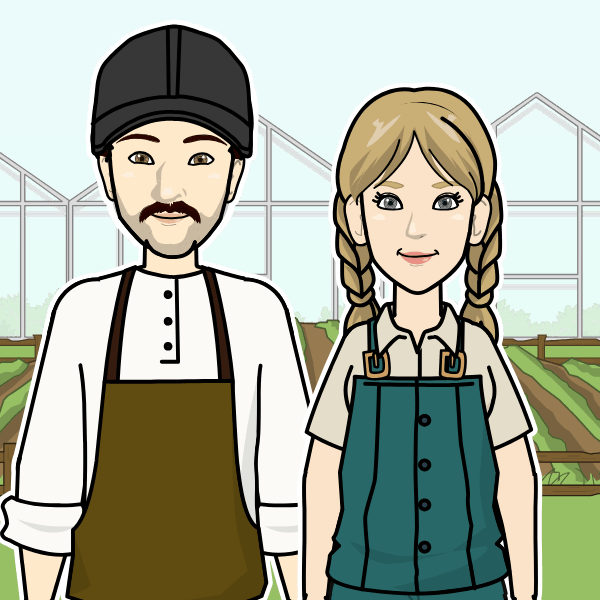
This exemplar contrasts Paleolithic gathering and hunting with Neolithic farming and domesticated chickens, explaining that harvesting and fenced animals provided food when needed.
Hook
How can teachers introduce this lesson?
- Look at the meaning of the “root” words, eg., “Paleo” from the Paleolithic Age and “Neo” from the Neolithic Age.
- Make predictions about why there was the distinction of “old” and “new” between the two eras.
Activity
What will students do?
- Have students research the reasons for the change from the Paleolithic Age to the Neolithic Era (Agricultural Revolution).
- Have students create a two-panel comic depicting life during the Paleolithic Era and the Neolithic Era.
- Panel 1: Have students illustrate a scene that depicts the life of someone living during the Paleolithic Era.
- Panel 2: Have students illustrate a scene that depicts the life of someone living during the Neolithic Era.
- Have students include details that are specific to each time period. For example, stone tools, fire, hunting, farming, wild animals, domesticated animals, etc.
Closure
How can teachers wrap up the lesson?
- Have students display their comics in print or a gallery walk and identify details that make the depictions true or false.
Differentiation
How can teachers differentiate this activity?
- Allow students to use the speech-to-text feature.
- Allow students to use the voiceover feature to read their comics aloud.
-
Provide definitions of paleo and neo.
-
Allow students to work with a peer model.
-
Provide sentence starters.
-
Preteach vocabulary.
-
Use graphic organizers as needed.
Assessment
How can you assess this activity?
- Comparison: Depicts distinct Paleolithic and Neolithic daily-life scenes.
- Evidence: Includes period-specific details such as hunting, gathering, farming, or domesticated animals.
- Agriculture: Shows how agriculture changed food access or daily life.
- Conventions: Grammar, spelling, and punctuation support clear communication.
Related Resources:
- Comic to print or display: Comic.
- Venn Diagram: Option 1, Option 2.
- T-Chart.
- Main Idea Web.
 Prehistoric Era
 Agriculture