At a Glance:
| Grades: | 1, 2 |
|---|---|
| Subject: | Social Studies |
| Topic: | Economics: Exchange and Markets |
| Lesson Length: | 45 mins - 1 hour |
Standards / Framework:
What will students learn in this activity?
Students will be able to show a good or service that people in their local community produce.
What should students know before this activity?
Students should be familiar with the terms goods and services.
How can teachers introduce this lesson?
- Ask students:
- “What is a good?”
- “What is a service?”
- “Why are goods and services important for our community?”
What will students do?
- Read the text Goods and Services Around Town by Heather Schwartz or play the video of the text being read aloud.
- Have students share examples of goods and services and record them on chart paper. Ask students to explain how they know it is a good or service.
- Have students create a comic that illustrates either a good or a service that people in their local community produce.
How can teachers wrap up the lesson?
- Students will share their comics with the class.
- Students will decide whether each of their classmates' comics are about a good or a service and hang them on a bulletin board that is set up as a t-chart. One side is for “goods” and the other side is for “services”. Once students decide where to place the comic, the student who created the comic will tell the class if they are correct or not and why.
- Remind students that it is important to know about goods and services where you live because it is how many people earn a living. When you spend money purchasing a good or service from someone local in your community, you are helping their business!
How can teachers differentiate this activity?
- Allow students to use the speech-to-text feature.
- Allow students to work in pairs or groups as needed.
- Allow students to use the voiceover feature to read their comics aloud.
- Provide students with a graphic organizer, such as Draw/Plan Then Write, to map out their comic before creating.
Related Resources:
- Comic to print or display: Comic.
- Draw/Plan Then Write
- Books:
- The Day the Farmers Quit by Autumn Pequignot
- Goods and Services Around Town by Heather Schwartz
- Videos:
- Read Aloud of Goods and Services Around Town by Heather E. Schwartz
- What are Goods and Services by Hey! Guess What
 Mall
Mall
 Restaurant
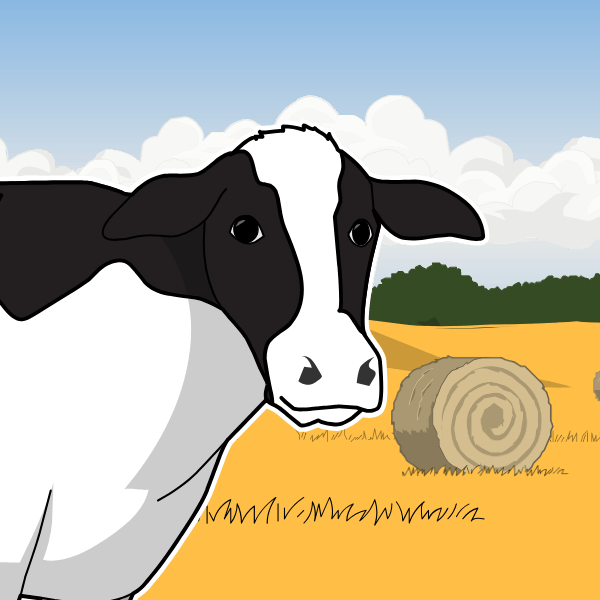 Farm
Farm