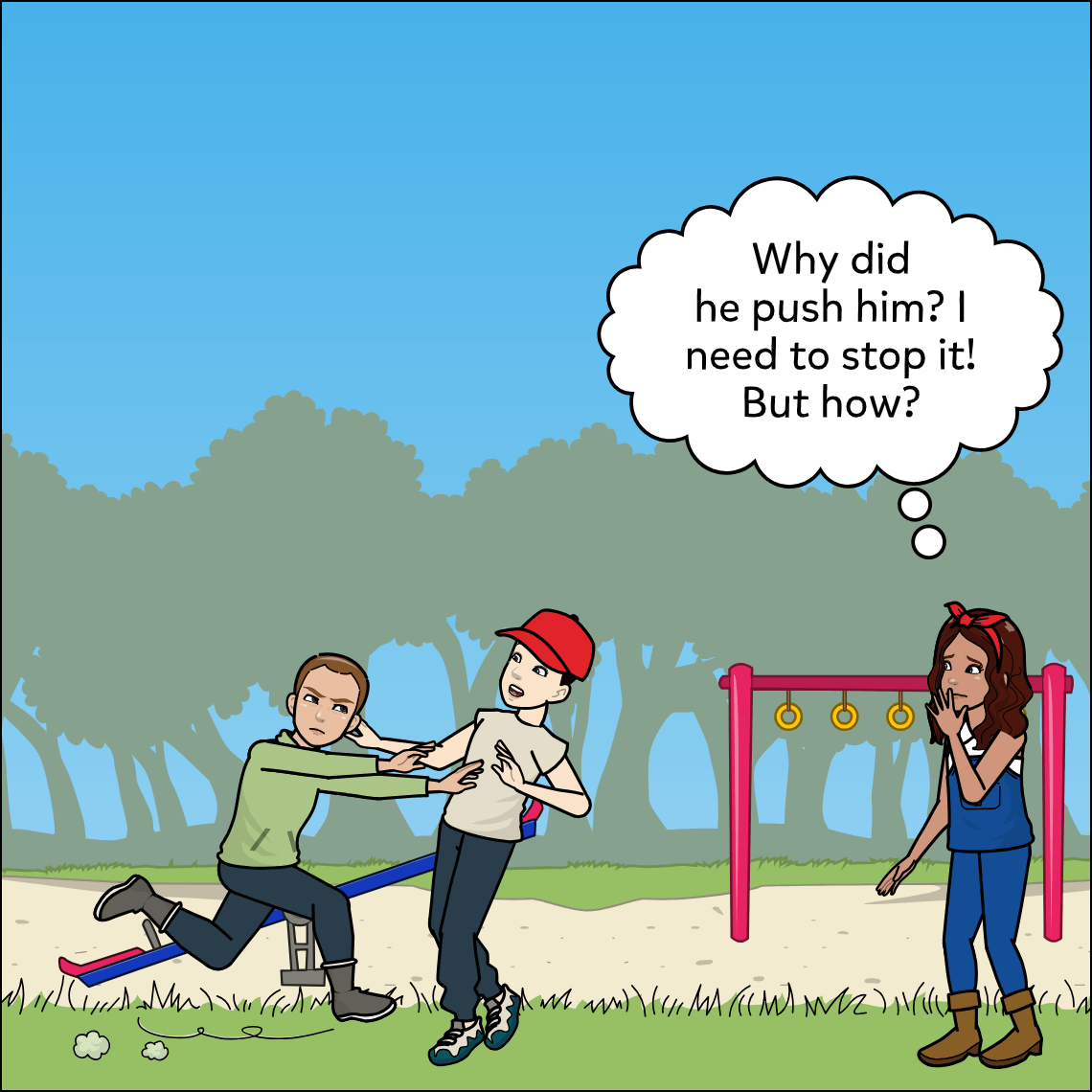
At a Glance:
| Grades: | 10, 11, 12, 9 |
|---|---|
| Subject: | SEL (Social-Emotional Learning) |
| Topic: | Reasoning |
| Lesson Length: | 1 - 2 class sessions |
Standards / Framework:
What will students learn in this activity?
Students will represent how critical thinking skills can be used in and out of school.
What should students know before this activity?
Students should be familiar with the term critical thinking.
How can teachers introduce this lesson?
- Ask students:
- “What does it mean to be critical?”
- “When have you used critical thinking skills in our class?”
- “Which critical thinking skills do you use on a daily basis?”
What will students do?
- Split students into two teams. Each team will be supporting one side of a controversial topic.
- Explain what the hot topic is and the general stance that each team will take, e.g., using ChatGTP in school, banning books, etc.
- Have each team generate a list of reasons to support or oppose the controversial topic as well as find resources to provide evidence.
- Have students debate using their findings.
- Have students reflect through a whole group discussion on which critical thinking skills they used to research, debate, and collaborate with their teammates. Record a list of the critical thinking skills captured in the conversation.
- Have students select one of the critical thinking skills discussed and create a comic demonstrating how that skill is used in and out of school.
How can teachers wrap up the lesson?
- Display student comics in the classroom for visual reminders of their critical thinking skills.
- Students will share their comics in partnerships or small groups.
- Share with the class that thinking critically helps to improve their decision-making skills, and problem-solving ability, stimulates their curiosity, and helps them make sense of the world. Critical thinking helps you reflect and understand your own points of view and biases.
How can teachers differentiate this activity?
- Allow students to use the speech-to-text feature.
- Allow students to work in pairs or groups as needed.
- Allow students to use the voiceover to read their comics aloud.
- Provide students with the Main Idea Web or Concept Map graphic organizers to plan for their comic.
Related Resources:
- Comic to print or display: Comic.
- Graphic Organizers
- Articles:
- 5 Top Critical Thinking Skills (and How To Improve Them) - Indeed.com
- 100+ Controversial Debate Topics to Challenge Your Students by WeAreTeahers.com
- The Benefits of Developing Critical Thinking Skills in The Workplace - LinkedIn.com
- Videos:
- 5 Tips to Improve Your Critical Thinking by Samantha Agoos
- How to Develop Critical Thinking- Empowering Speech by Jordan B Peterson
 Future
 Virus
 Office