At a Glance:
| Grades: | 10, 11, 12, 9 |
|---|---|
| Subject: | SEL (Social-Emotional Learning) |
| Topic: | Empathy, Understanding Different Perspectives |
| Lesson Length: | 45 mins - 1 hour |
Standards / Framework:
What will students learn in this activity?
Students will create a comic to demonstrate their understanding of empathy by showing the perspective of another person or party.
What should students know before this activity?
Students should understand the meaning of the terms perspective and point-of-view and be familiar with different aspects of one’s identity.
How can teachers introduce this lesson?
- Ask students:
- “How would you describe the word empathy?”
- “What is the difference between sympathy and empathy?”
- “How would you define your own identities?”
What will students do?
- Have students describe their own social identities by listing their gender identity, age, religion, ethnicity, race, and nationality, as well as describing their own personal identities, such as interests and hobbies.
- Have students create a character using identity descriptors that are different from their own.
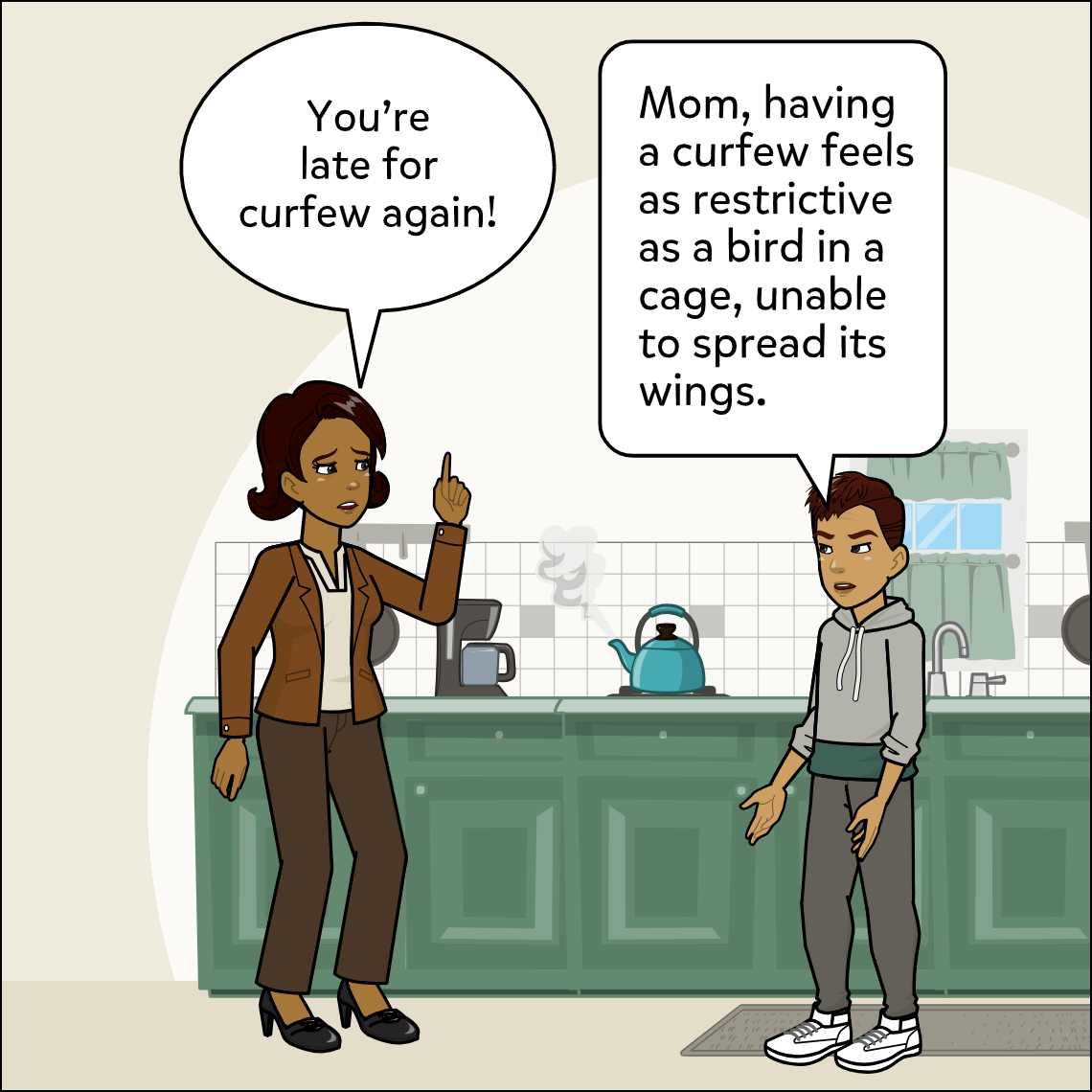
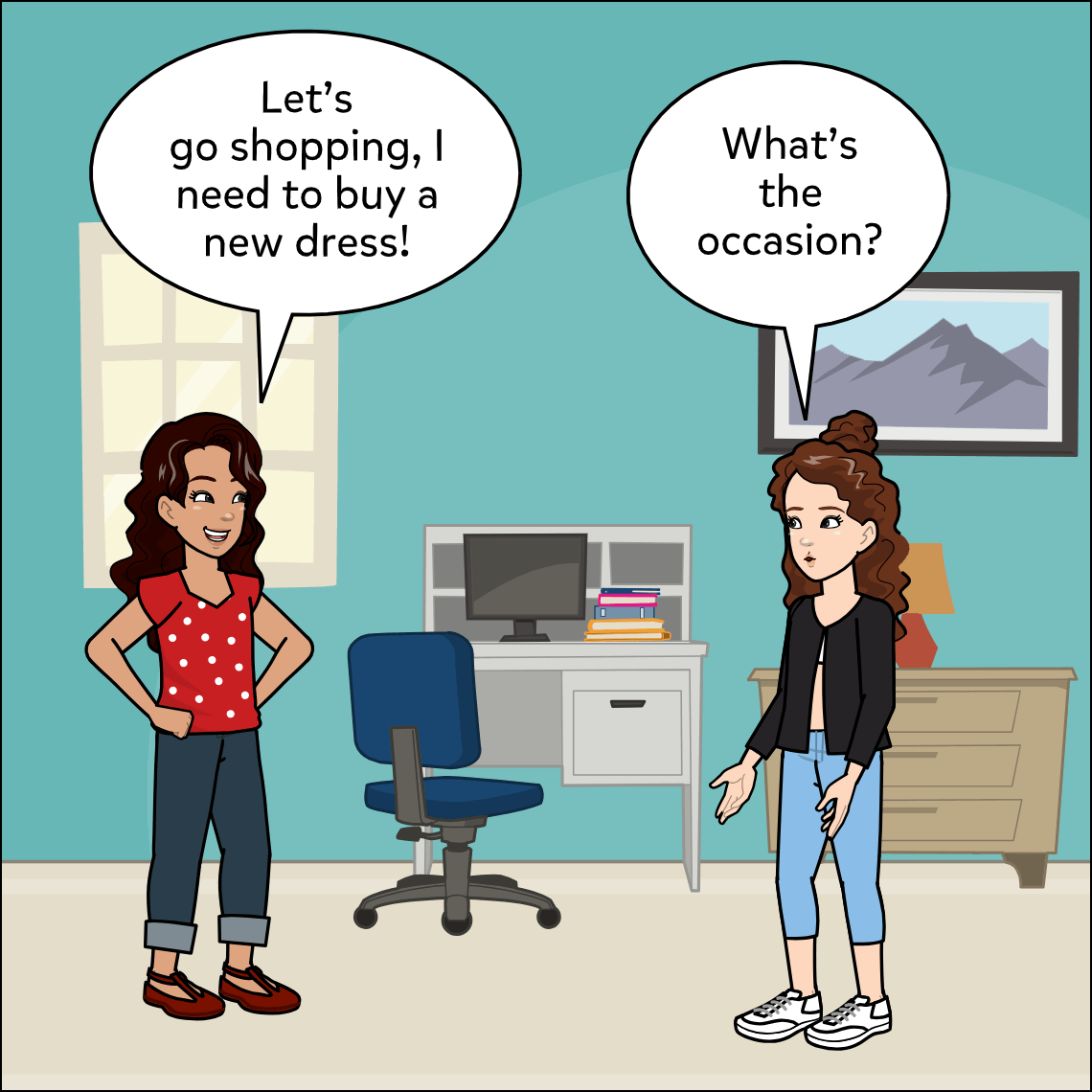
- Settings can include a house of worship, restaurant, hospital, airport, or other settings approved by the teacher. Using the sample comic as a model, have students create a comic displaying a person or character different from themselves in an unfamiliar situation or setting for that person.
How can teachers wrap up the lesson?
- Have students share their comics with the class or in small groups.
- Have students explain how they may have empathy or understanding for a person who may have a different background from themselves.
- Emphasize that trying to understand other people’s perspectives (or showing empathy) can help maintain positive relationships.
How can teachers differentiate this activity?
- Allow students to use the speech-to-text feature.
- Allow students to work in pairs or groups as needed.
- Allow students to use the voiceover feature to read their comics aloud.
- Preteach vocabulary or provide vocabulary definitions, e.g., race, ethnicity, nationality.
Related Content:
 Asian Pacific American Heritage
 Black History
 Hispanic Heritage
 Restaurant
 Farm
Farm
 Jesus
Jesus
Suggested Story Starters: